
How Long Will A BMW Motorcycle Last
A motorcycle can last a long time, but its life depends on how it is used and how well it is looked after. A BMW bike is often built for comfort and long road rides, so many owners expect more years and more miles than they would from cheaper motorcycles. Still, there is no single number that fits everyone, because the model, the year it was made, and the care it gets all matter.
As a rough guide, a bike that is ridden and maintained properly can last 12 to 15 years without major trouble. After that point, it can still run fine, but you may see more repairs and more parts being replaced. Some people own the same motorcycle for decades, especially if it has been well-maintained, stored well, and not crashed.
Miles and years both matter
When people ask how long a BMW motorcycle will last, they often mean mileage. Miles are important, but time is important too. A 10-year-old bike with low miles may still have issues if it's sat still for long periods of time, has old oil, or has had poor storage. On the other hand, a bike with higher mileage can be a good purchase if it was serviced on time and ridden in a sensible way.
Many riders see 100,000 miles as a big point in a motorcycle’s life. For some bikes, that would be the end of the road, but for a BMW motorcycle that has had regular maintenance, 100,000 miles, or 100k miles, can be realistic. Some owners report 200,000 miles or more, but that usually comes with careful servicing and some replaced parts along the way.

The biggest reason bikes last longer: regular maintenance
A BMW motorcycle can run for a long time if it is cared for. Regular maintenance helps you catch small issues before they turn into big problems. It also helps the engine, gearbox, and other moving things stay in good shape.
Oil changes are one of the most important jobs. Old oil can wear out engine parts faster, even if the bike still feels fine on the day. Sticking to oil changes, using the right oil, and checking levels can make a real difference to longevity. It also helps to keep up with other fluids, like brake fluid and coolant, on models that use them.
Service history matters too. A bike that has been maintained by a dealer or a trusted workshop, with clear records, is often a safer buy. If you are buying, do not feel awkward about asking to see paperwork. It can answer a lot of questions in a simple way.
Final drive and drivetrain care
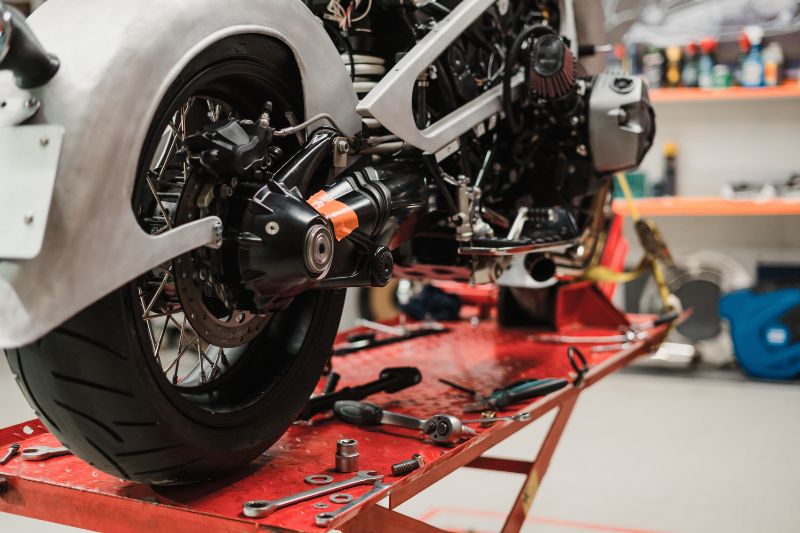
Some BMW bikes use a shaft drive, which many riders love because it's cleaner and easier compared to a chain. But it still needs attention. The final drive is not something you want to ignore. If it is looked after, it can last a long time, but if it is neglected, it can be expensive to repair.
A bike with high mileage should have evidence that the drivetrain has been checked and serviced when needed. If a past owner has posts on a forum saying they “never changed anything”, that is not a great sign. A properly maintained drivetrain is a big part of why these bikes can go so far.
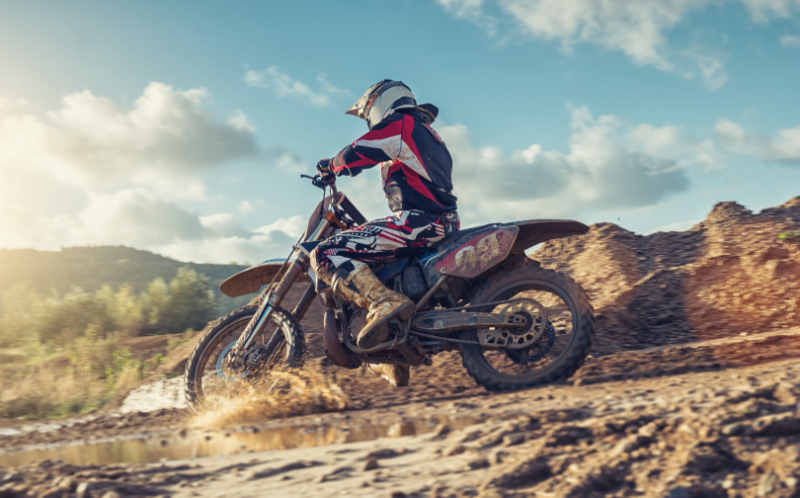
Off-Road
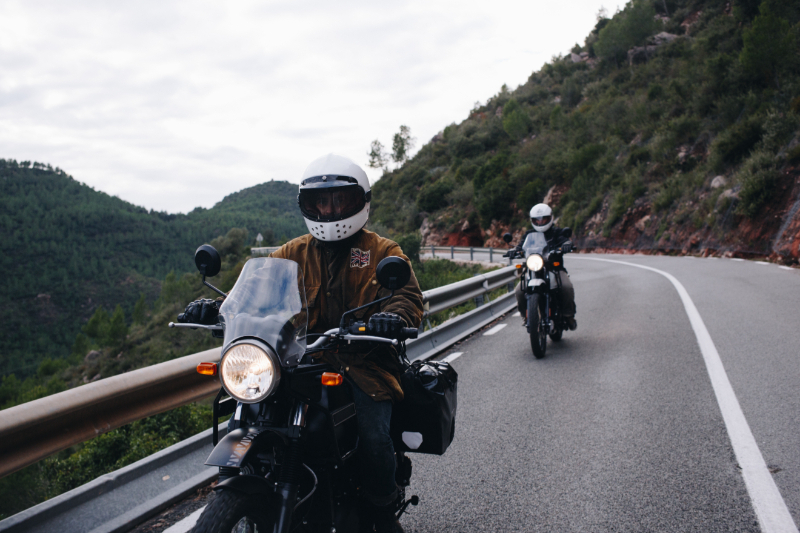
On-Road
Wear items that get replaced over the Years
Even the best motorcycle will need parts replaced as time goes on. This does not mean the bike is “done”. It is normal.
Tyres and brakes are the obvious ones. Older bikes may also need suspension work, especially if they have been ridden on rough roads. A clutch can last a long time, but it depends on riding style, traffic, and how often the bike is used for short trips. If the clutch slips on a test ride or if the bite point feels strange, it may be a sign that repairs are needed soon.
Small things add up, too. Hoses, seals, batteries, and bearings can age even if mileage is low. This is why both years and miles matter when judging a bike’s life.
How the way you ride changes The Bike's lifespan
The way a bike is ridden can change how long it lasts. A motorcycle that spends most of its time on steady road rides may wear more slowly than one used for fast starts, heavy braking, and short trips in stop-and-start traffic. Off-road use can be tougher again, because dirt and water can get into places you do not want them, which can lead to more repairs.
If a bike is pushed hard from cold, the engine and oil have less time to warm up properly. Over a long period of time, this can shorten the engine's lifespan. Gentle warm-ups and smooth riding may sound boring, but they can help a lot.
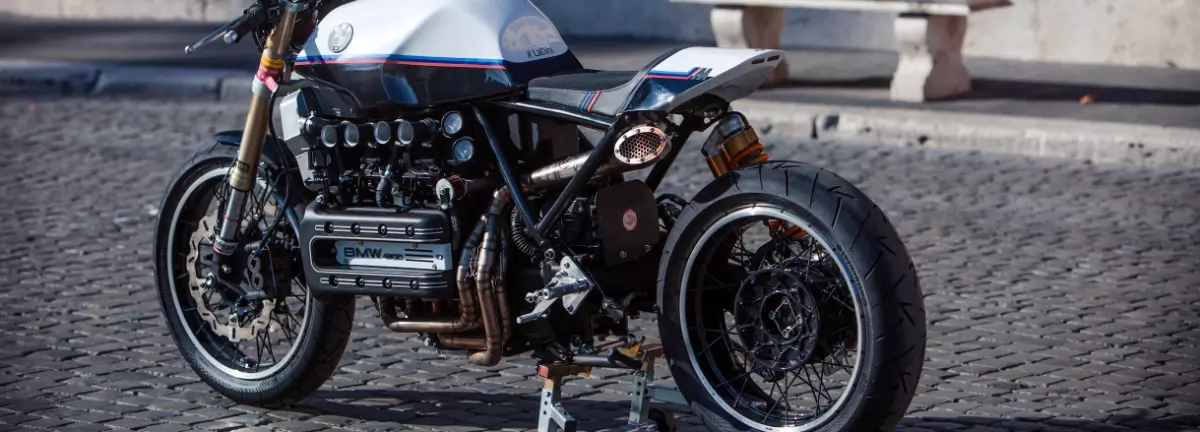
Signs a BMW bike is getting tired
A bike can look great for sale, but still hide problems. Try to look past shiny panels and focus on how it runs and feels.
If you notice a new vibration that was not there before, strange noises, smoke, leaks, or warning lights, treat it as a reason to look deeper. None of these always means “walk away”, but they do mean you should understand what is going on before you buy. The same goes for electrical issues, which some people mention on community sites and forums. A quick search of common issues for the exact model and year can help you know what is normal and what is not.
Are BMW motorcycles reliable?
Reliability can depend on the model and the year. Some older models had known weak points, and riders still talk about them in forum threads and posts. Many owners feel that newer bikes improved, and that some problems were changed or fixed in later updates. Even so, any motorcycle can have issues if it is not maintained.
A good way to think about reliability is this: a well-maintained bike is usually more reliable than a neglected one, even if it is from a brand with a strong name. If you keep up with maintenance, fix problems early, and do not ignore warning signs, you give the bike the best chance of a long life.
Buying a used BMW motorcycle: what to check
If you are thinking of buying a BMW motorcycle, do not judge it only by mileage. A bike with 100k miles that has been cared for can be a better purchase than a low-mileage bike that was ignored.
Look for a clear service record, and ask what parts have been replaced and when. If the bike was bought and sold a few times, try to work out if the care stayed consistent. If there is a warranty, check what it covers and what it does not. Also, ask where the bike was serviced, and whether it was done by a dealer or another workshop.
A test ride is important if possible. Notice how it starts from cold, how it pulls through the rev range, how the brakes feel, and whether it tracks straight on the road. If something feels off, it may be fine, but it is worth getting an inspection before purchase. This is especially true if the price looks too good for the model, or if the seller is rushing the sale.
When to repair, and when to replace
There is a point where repairs may not feel worth it, especially if a lot of big parts need work at the same time. But many bikes can be kept going for years with sensible repairs, and it is often cheaper than replacing the whole motorcycle.
If the engine is healthy, the frame is straight, and the bike runs well, replacing wear items can be a fine way to keep it on the road. If it has had major accident damage, repeated serious problems, or the costs are climbing fast, it may be time to sell and find a replacement bike.
How Long Will A BMW Motorcycle Last? Conclusion
So, how long will a BMW motorcycle last? Many owners would expect a long time if it is properly maintained. In miles, 100,000 miles is not unusual for a well-looked-after bike, and 100k miles can still be a good sign if the service history is strong. In years, 12 to 15 years is a common lifespan before age-related work becomes more likely, but with good care, some bikes stay on the road for decades.
Jap & German Motorcycles provides the best services in and around West London. Whatever you require, our team can assist you with everything from BMW motorbike repairs to providing motorbike spare parts.